
Why South Crete Feels Different: The slower side of Crete — and why travelers quietly keep returning
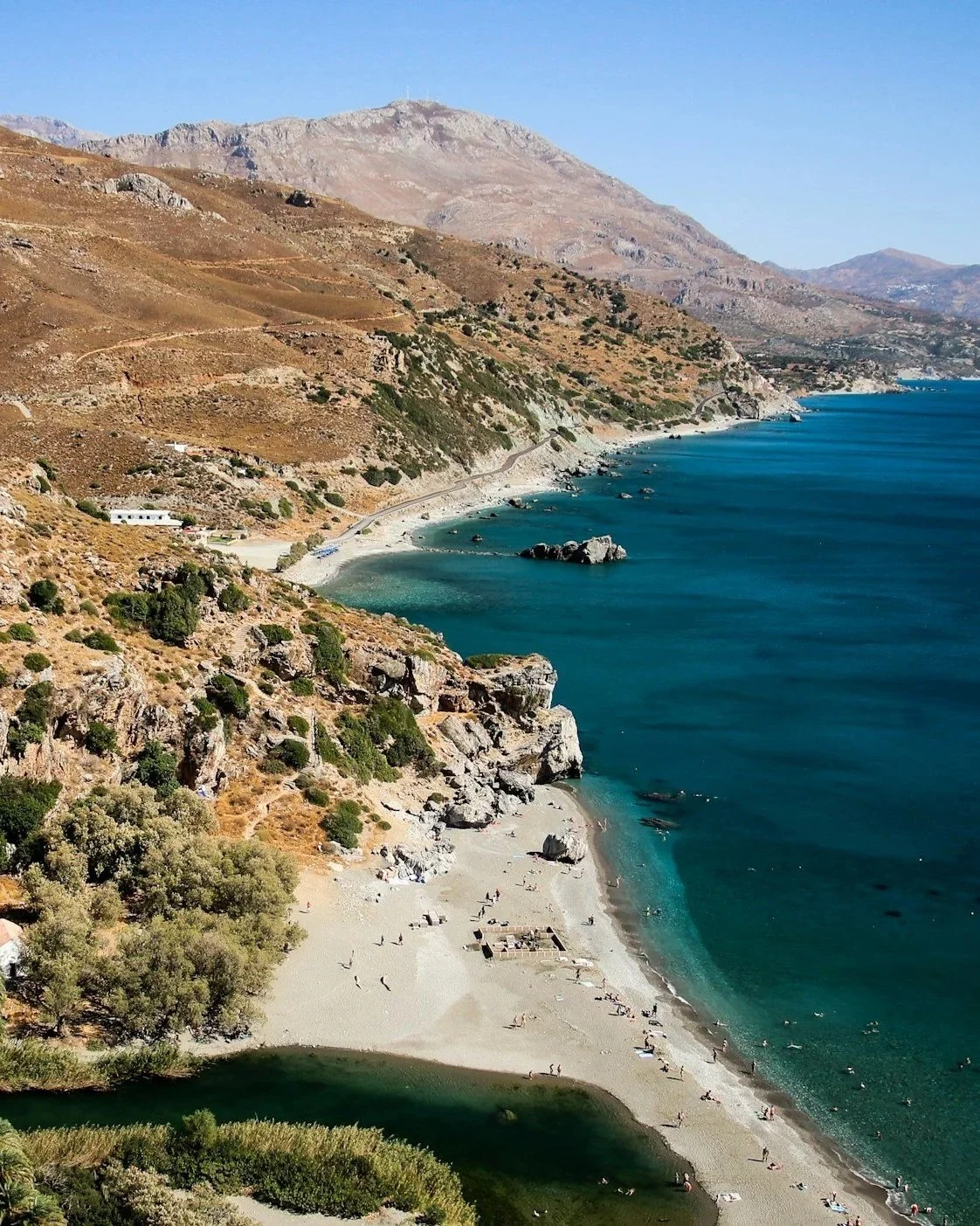
There is a moment many people remember when driving into South Crete for the first time.
Usually somewhere after the mountains.
The roads become narrower. The landscape rougher. Villages appear that seem untouched by hurry. Then suddenly, the Libyan Sea opens up below you — vast, deep blue, almost startlingly empty compared to the busier northern coastline.
And without quite noticing when it happened, your pace begins to change too.
This is not the Crete of giant resort strips, all-inclusive wristbands, or beaches lined ten rows deep with identical sunbeds. South Crete has tourism, certainly. But it still feels like a place that existed long before visitors arrived — and would continue just fine without trying to entertain them every second of the day.
That difference is exactly why people fall in love with it.
Life Happens Outside Here
In places like Agia Galini, evenings still revolve around harbor walks, long dinners, and people sitting outside simply because the air remains warm well into the night.
Children play in village squares. Tavern owners know half their guests by name. Older men spend hours discussing politics over coffee that went cold long ago. Fishing boats return slowly to the harbor while cats wait nearby with remarkable patience and very little dignity.
Nobody seems particularly rushed.
And after a few days, visitors often realize they are no longer rushed either.
This is perhaps the real luxury of South Crete:
not excess, but the absence of pressure.
The Landscape Still Feels Untamed
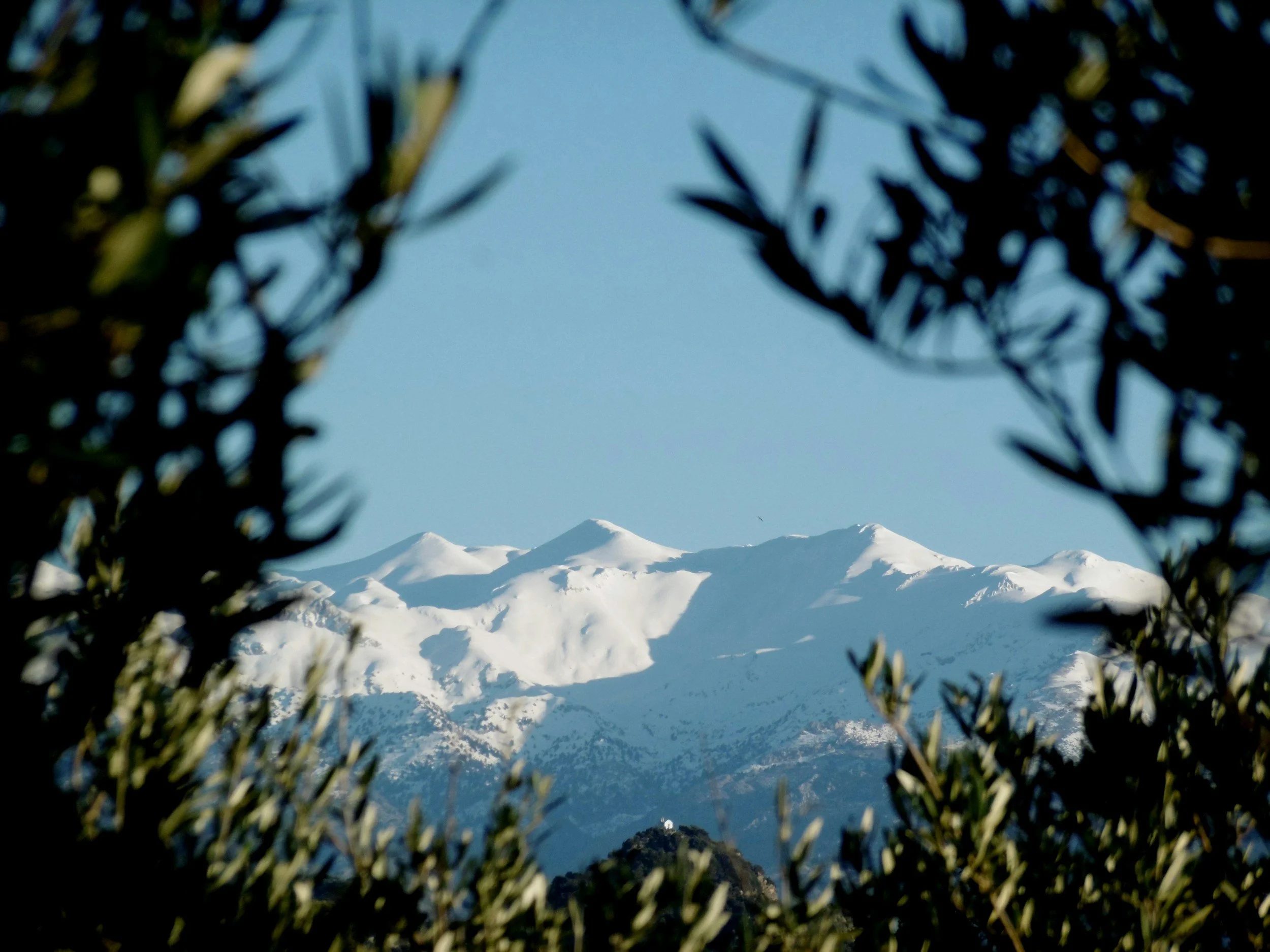
The south coast is dramatically different from the greener, more developed north.
Mountains drop sharply into the sea. Roads snake through gorges like Kourtaliotiko Gorge and Kotsifou Gorge before opening onto wide beaches and remote bays that often feel improbably cinematic.
You drive past olive groves, abandoned stone houses, tiny chapels, goats standing in places goats should not realistically be able to stand, and villages where time appears pleasantly confused.
Some beaches require effort to reach. Others seem to appear out of nowhere.
And unlike many heavily developed Mediterranean destinations, large stretches of South Crete still feel genuinely wild.
Beaches for Different Moods, Not Just Different Locations
One of the pleasures of staying around Agia Galini is how dramatically the atmosphere changes from beach to beach (see also our guide about the best beaches near Agia Galini).
Preveli Beach feels almost tropical in places, with its palm forest and river meeting the sea. Triopetra is expansive and elemental, famous for its sunsets, long shoreline, and wind-sculpted landscape. Kommos Beach attracts a wonderfully mixed crowd of hikers, free spirits, couples, locals, and naturists who appreciate its open, relaxed atmosphere.
Then there are beaches that barely appear on maps at all.
Tiny coves reached by dirt roads. Pebble beaches below cliffs. Places where you may spend half a day with only the sound of cicadas and the sea.
South Crete rewards curiosity.
A Different Kind of Freedom
Part of South Crete’s appeal lies in its openness.
Not only physically — with its vast sea views and uncrowded landscapes — but socially as well.
Along parts of the southern coastline, naturism has quietly existed for decades without becoming a spectacle. Particularly around more remote beaches and coves, people simply coexist with a kind of unspoken respect. Nobody makes a fuss. Nobody performs outrage. Nobody seems interested in policing how others enjoy the sun.
That atmosphere tends to attract travelers looking for a calmer and more independent kind of holiday:
couples avoiding crowded resorts, opting for adults-only holidays instead
solo travelers
hikers exploring the south coast trails
yoga enthusiasts
digital nomads staying for weeks rather than days
artists and photographers
people recovering from stressful lives and overstructured routines
South Crete rarely feels performative.
And increasingly, that feels rare.
The Wind Shapes Everything
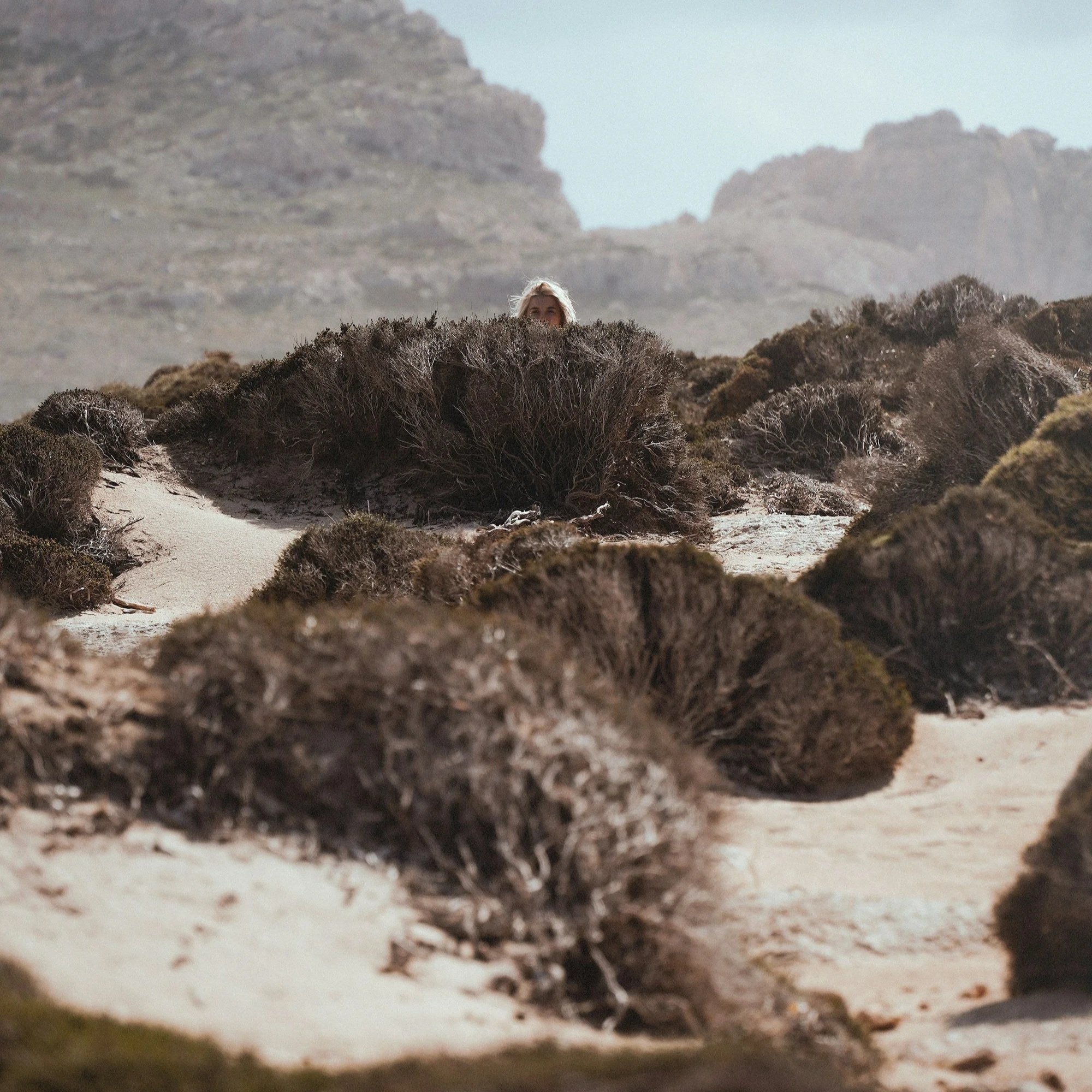
Visitors quickly learn that South Crete has a relationship with the wind.
The famous meltemi winds can dramatically change the character of the coast from one day to the next. Some beaches become wild and theatrical, with waves crashing against cliffs. Others remain surprisingly calm due to the shape of the coastline and surrounding mountains.
Locals casually discuss wind conditions the way people elsewhere discuss traffic.
“Today you go west.”
“Tomorrow maybe better east.”
“It’s windy at Triopetra, but calm near Agios Georgios.”
After a while, you stop fighting the island and start adapting to it instead.
And strangely, that becomes part of the pleasure.
South Crete Is Not Trying to Be Perfect
This may be one of the most important things to understand before visiting.
South Crete is not polished in the way some luxury destinations are polished.
Roads can be rough. A taverna owner may disappear for twenty minutes because he is simultaneously the cook, waiter, uncle, fisherman, and unofficial mayor of the village. Parking can become creative. Goats occasionally interrupt traffic negotiations.
But this slight unpredictability is precisely what makes the region memorable.
Nothing feels over-curated.
The best meals are often found accidentally. The best swimming spot may be one you noticed while driving somewhere else. A random roadside café may end up becoming part of your holiday memories years later.
Why So Many Travelers Return
People often arrive in South Crete expecting beaches and sunshine.
They leave talking about atmosphere.
About how quiet the nights were. How slowly mornings unfolded. How dinner somehow lasted four hours without anyone checking their phone. How they started measuring days by swims and meals rather than schedules.
And many quietly begin planning their return before they have even left.
At places like Galini Breeze, that rhythm becomes even more noticeable. Adults-only stays tend to attract travelers seeking exactly this version of Crete: calm, unhurried, deeply local, and comfortably understated.
Not a holiday filled with constant activity.
Just enough space to finally slow down.
FAQ About South Crete
Is South Crete less touristy than North Crete?
Generally yes. Northern Crete has larger resort areas and more mass tourism infrastructure, while South Crete remains quieter, more scenic, and more village-oriented.
Is South Crete good for couples?
Very much so. The region is especially popular among couples seeking calmer holidays, scenic drives, authentic tavernas, and quieter beaches.
Are there naturist beaches in South Crete?
Yes. Several beaches along the south coast, especially more remote areas and parts of Kommos Beach, have a long-standing naturist-friendly atmosphere.
Do you need a car in South Crete?
A car is highly recommended. Many of the region’s best beaches, tavernas, villages, and hiking areas are difficult to access without one.
When is the best time to visit South Crete?
Late spring and early autumn are particularly beautiful, with warm sea temperatures, fewer crowds, and a slower atmosphere. Even October often still feels remarkably summery.